Digital meetings are more than just technology: 4 tips for planning.
Since the Corona outbreak, we have all been forced to communicate via digital channels with colleagues and customers. Overall, the transformation has worked well. Or perhaps even better than expected. Because we have certainly quickly become accustomed to sitting at home at the computer and chatting, raising our hands and speaking into a camera.
However, slowly we all start to feel that an endless flow of team, hangout, or zoom meetings is getting tiring. Naturally, we need to maintain collaboration, structure, and communication between the various parts of the company and adapt to the new situation with a business-as-usual approach. But the experience of the digital meeting can sometimes leave something to be desired. How do you keep the culture, energy and commitment in the company?
Many people long for meetings and events that strengthen the sense of community, and we are seeing a significantly increased demand for digital events. However, too many people get stuck on the technical aspects when planning their digital event. Technology is, of course, an essential component, but the technical aspects come in later in the process.
For a digital meeting, it’s about much more than technology.
Some good tips for planning a digital event:
- The experience should create engagement and energy. First of all, we always want to create an experience that engages and generates energy. Becoming emotionally engaged creates the conditions for both absorbing and remembering a message. It is important to clarify a clear purpose and goal in order to focus on content and message in the next step.
- Target the target audience. To create impact in a digital format and to reach the target audience, the content itself becomes the format. What do you want to say and how? What is relevant and what isn’t? What creates results?
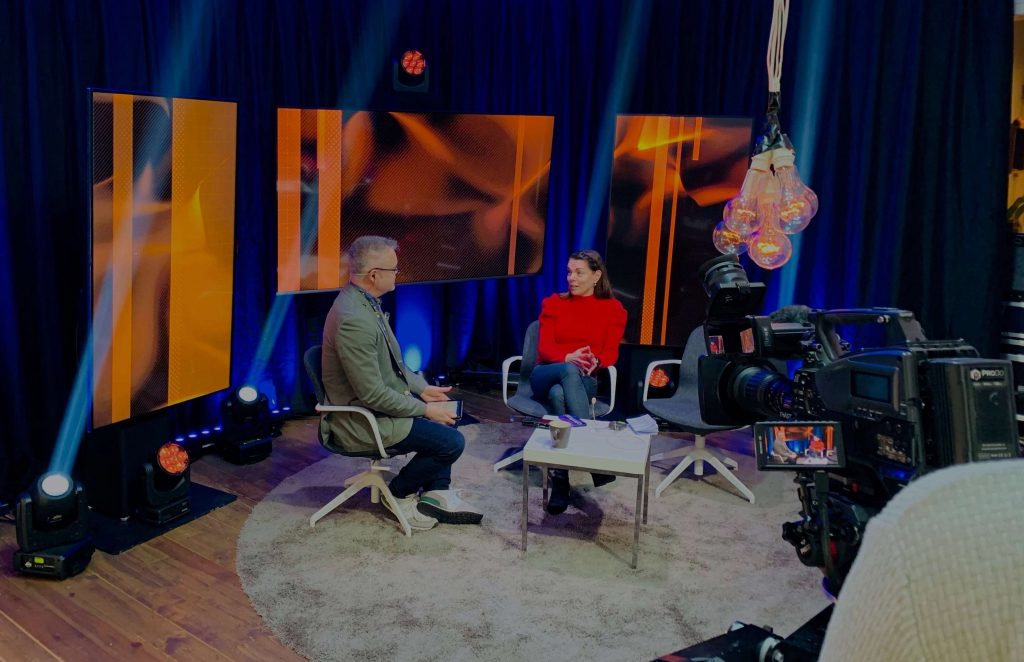
- More dramaturgy. In the digital channel, we need to think more about dramaturgy, more TV, otherwise we risk losing the focus of the meeting participants. Direction and script become central elements to enhance the experience and make the broadcast work. It’s about creating a good pace with varied content. Short presentations and interviews instead of long slides and powerpoints. Filmed segments enhance interactivity with the participants, creating engagement.
- Content, content, content! Be careful when choosing a provider. Many sell technical solutions, but forget about the content.
Our work at Contrast involves seeing a mission through with different eyes than our client’s, finding new creative angles, and thinking in a dramatic way. How do we engage the target audience? How do we create impact, and how do we achieve the desired results?
It is only when we have found those answers that we can start talking about technology and streaming solutions.
What are your experiences with digital events? Feel free to share your thoughts and feedback with us.
/Ola
ola@contrast.se